


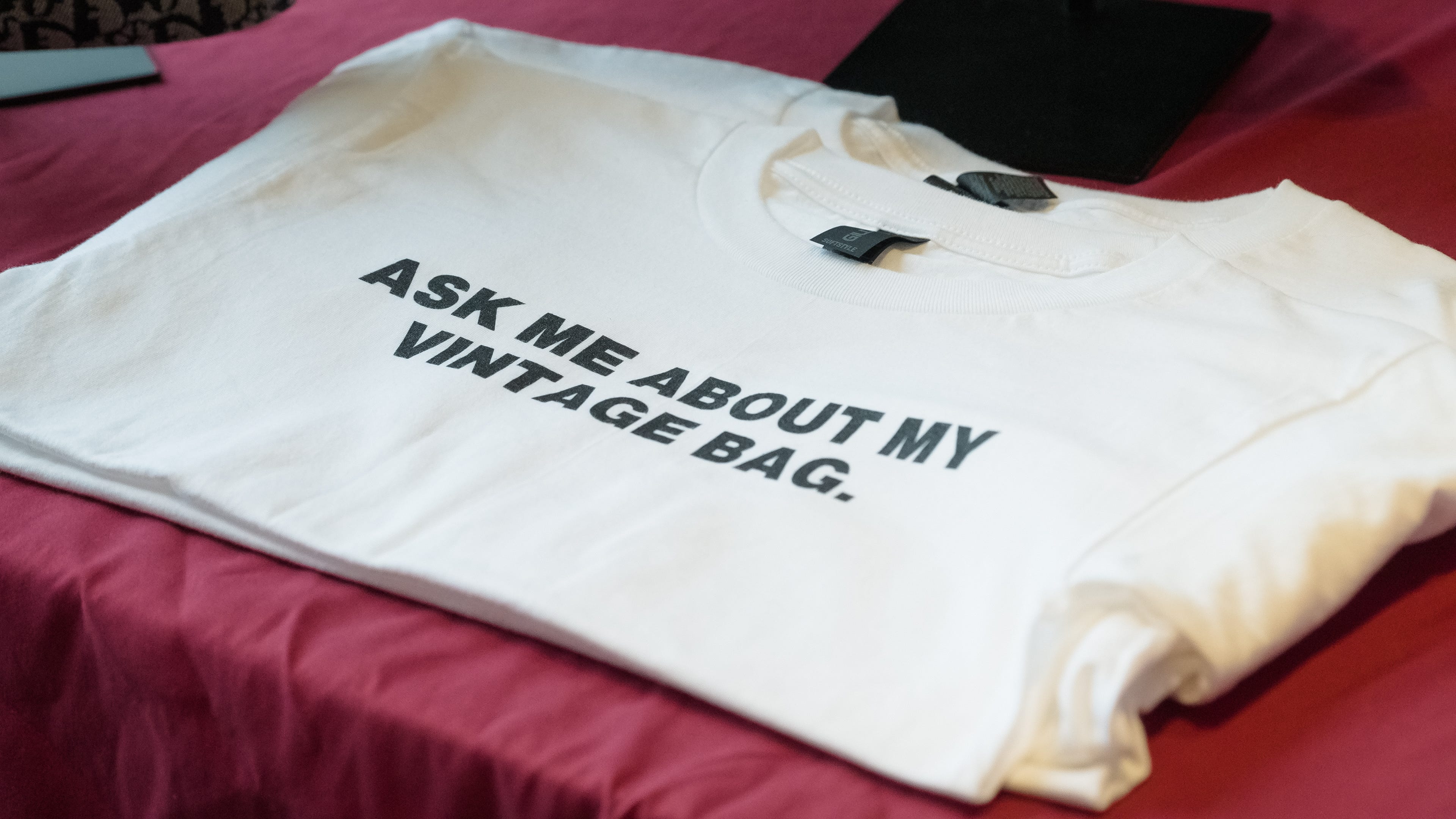
A little over a week ago, Mary and I had the pleasure of attending and moderating discussions during a first-of-its-kind conference dedicated to the growing resale space. It was — quite predictably — the chicest conference I have attended, with guests and speakers decked out in vintage pantsuits, denim, coats, and bags.
Overall, spirits were high, and industry sentiment was positive, as secondhand fashion moves comfortably into the mainstream and annual sales surpass $55 billion. According to ThredUp’s latest Resale Report (released during Recon), the resale industry is growing four times faster than the broader retail clothing market. With new market share comes new challenges, many of which were discussed during the two-day event.
On the first day of programming, ThredUp CEO James Reinhart gave a raw yet optimistic assessment of the industry in his keynote speech. “ReCon reinforced that resale is becoming foundational to how retail operates,” he reflected later. “The energy is shifting toward building the underlying systems — supply networks, logistics infrastructure, and new customer experiences like live selling — that can support that future. There’s still a lot to build, but the direction is becoming much clearer. I left with more conviction that the next phase will be defined by execution, and that we will be pushing harder to help shape it.”
Just before noon, Mary sat down for a fireside chat with FASHIONPHILE founder Sarah Davis. “My biggest takeaway,” Davis told ATFT after the event, “is that resale is a tidal wave that is growing at an ever-increasing pace in epic proportions. The problem of what to do to extend the life of products that have already been produced, and are no longer wanted, excess inventory, returns, and underutilized goods is no longer a side issue. This is a huge focus being tackled by an ever-increasing number of incredibly passionate, thoughtful, and brilliant founders using technology that, not long ago, seemed like science fiction. The industry is massive!”
The rest of day one touched on everything from operational challenges to bringing resale in-house to ensuring authenticity and making the resale math work for investors. Day two featured a forward-looking keynote from McKinsey Senior Partner Colleen Baum. Talks throughout the day also touched on AI, regulations, and how brands and platforms are navigating cross-generational attitudes towards and motivations for shopping resale.
Later in the afternoon, I moderated a conversation with Sixuan Li of BNTO, Janelle Gray-Gilbert of Isle of Monday, and Brian McMahon of Pickle about how to make the rental model work. We got into the industry’s unforgiving unit economics, its scalability beyond occasion wear, and the ever-blurry line between rental and resale.
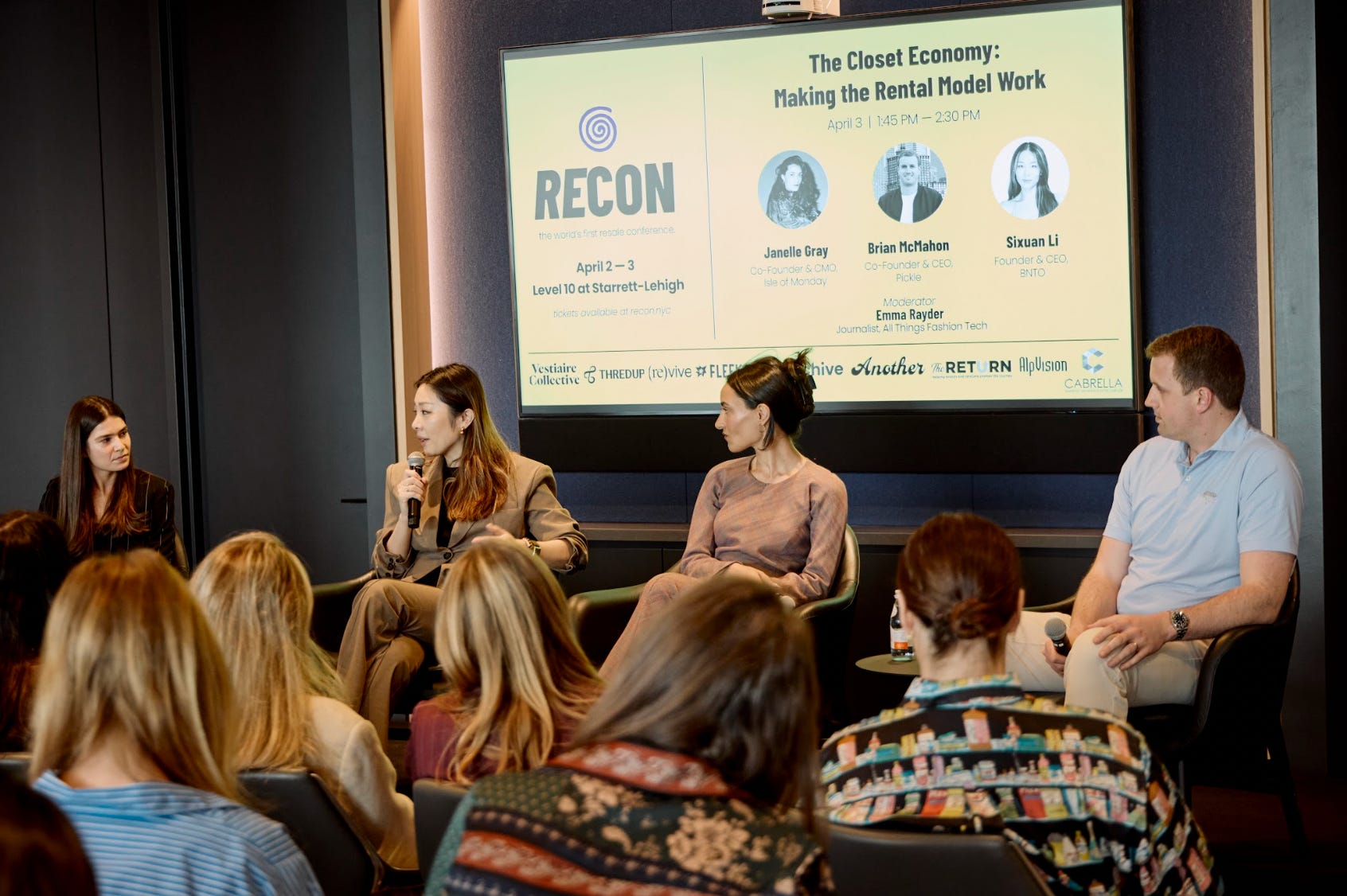
“Coming out of ReCon, what’s clear is that resale and rental are evolving together,” explains Janelle Gray-Gilbert, co-founder and Chief Marketing Officer of rare vintage rental platform Isle of Monday. “Resale has laid the foundation by shifting how people value secondhand, and rental builds on that by unlocking access, flexibility, and repeat wear. Being in the room with leaders across the industry, it feels like we’re on the precipice of cracking the code to make this a truly profitable, scalable category. The future is a more circular model where great pieces aren’t just bought once, but experienced again and again in new ways.”
Recon Founder Q&A
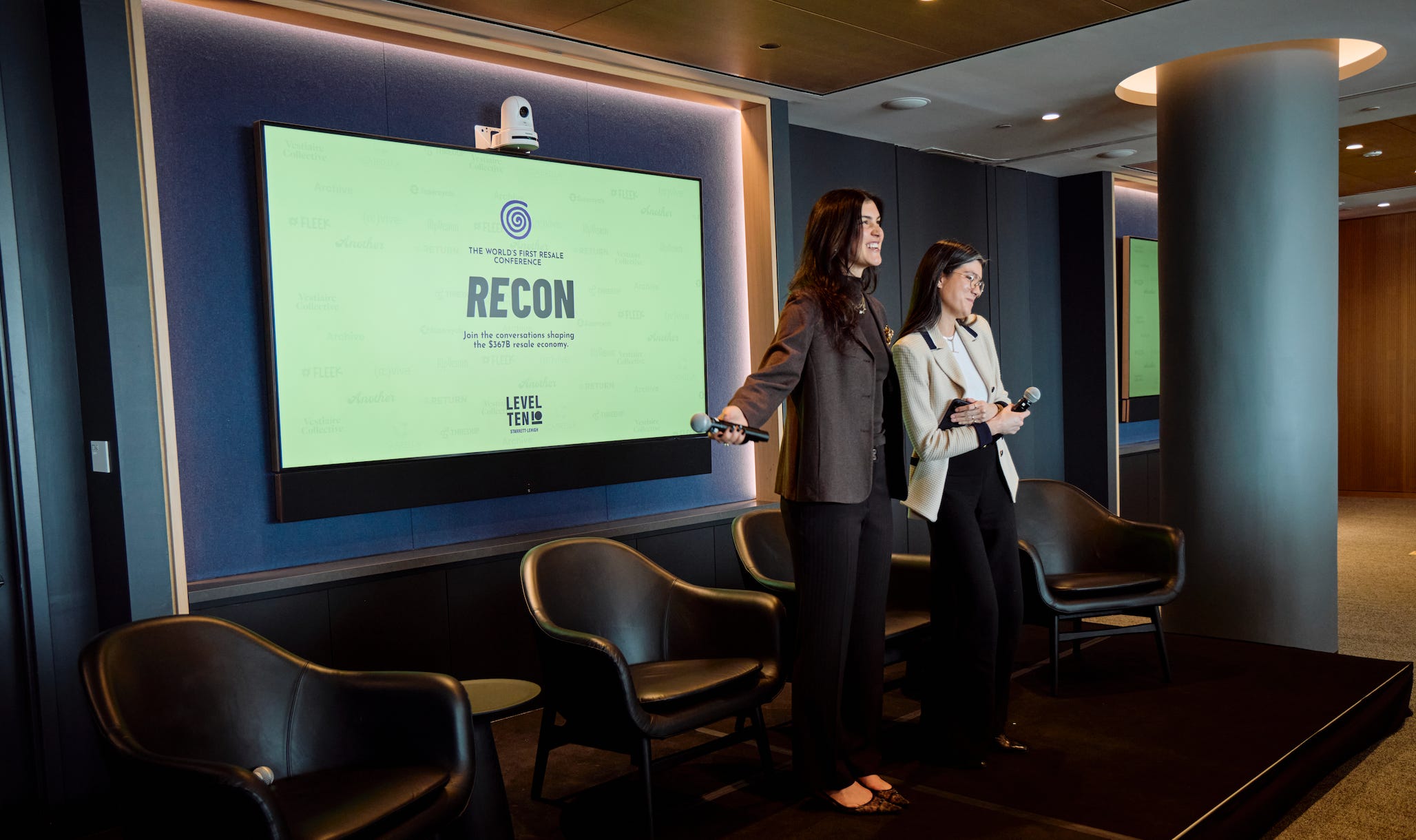
Following the conference, Mary and I spoke with Anna Gray and Aleksija Vujicic, Recon’s co-founders, about their experience: why and how they launched the event, what they’d do differently next time, and their favorite moments. You can find those answers below:
Why did you decide to move forward with Recon?
Our backgrounds cover fashion, tech, events, and retail. Both of us had been to our fair share of retail and tech conferences, yet resale was always relegated to a small conversation in the corner, despite the fact that it’s growing nearly 2x as fast as the primary market. It felt like high time for an event dedicated entirely to the industry. Not to mention, conferences are typically unenjoyable and aesthetically unappealing experiences. We felt strongly that we could host one that was beautiful, inspiring, and met our standards for event production. We put our heads together, and three months later, ReCon was born!
How did you manage to pull the whole thing together on your own?
Two strong work ethics, over two decades of aggregated experience across the four channels listed above, high standards, and a bit of delusion (like any good founders!). I (Anna) have been organizing retail/resale events for over a decade, so many of the complex operational elements are now second nature. Aleksija has a serious brain for data and innately understands how to run a conversation to achieve maximum impact. We care about resale, are extremely opinionated, have high taste levels, and wanted a conference that reflected our desire to push the conversation forward. That, and Level Ten at Starrett-Lehigh was a dream venue partner.
What were your biggest challenges?
Finding a venue that would meet our needs (NYC is expensive and space-constrained, obviously). Additionally, conferences are fairly capital-intensive upfront, and we started with an empty bank account. We needed to bring in capital quickly to cover our costs. Luckily, everyone else in the space also wanted a resale conference to meet their peers and dig deeper into the logistics and operations of running a business in this industry, and they were excited to partner with us to bring ReCon to life.
What will you do differently next year?
Give ourselves way more than three months to plan. We loved that ReCon 2026 was small enough that everyone could shake hands (we had about 350 attendees over two days), but we plan to expand next year, while maintaining the same intimate, collegial energy notable at this year’s event. We’d like the vintage market to be available to the public. We want a bigger, dedicated expo hall so more startups can showcase their products. We will give the panels more time between so people can interact and absorb the incredible information packed into each one. We will have more small businesses on the panels because I think they’re often left out of the conversation between the customer and the big players, and more brands are contributing as well.
What was your favorite moment from the conference?
Our favorite moment was less a moment and more the truly convivial, intimate energy that was so obvious throughout the entire event. It really felt like everyone in the industry was working toward the same goal and understood that rising tides lift all boats. This fostered so many incredibly productive, honest conversations — both on-stage and off.
Thank you!!!